GOLEM
Who gets to tell a story, and who gets heard?
A short fiction film in development, grown out of a theatre piece performed in synagogues.
A Hamburg researcher travels to a Polish village for the signature that would settle a dispute over a Jewish Golem manuscript. But Helena refuses to give him her testimony as long as he pretends not to understand Polish.
EUROPIA Pitch Award 2026 — Short
Film
Daniel, a researcher from Hamburg, comes to a village near Lublin to get a signature: the village is to withdraw its claim to a Jewish Golem manuscript. The manuscript is the foundation of his book and the centrepiece of a planned exhibition in Brussels. The village says it was looted from there in 1942. Without the signature, the dispute stays open and the exhibition cannot go ahead.
Daniel pretends not to understand Polish. Helena, ninety-two, can see that he wants her consent without listening to the people whose story this is. So she keeps the ending of the legend, and her own testimony, to herself until he speaks to her openly. She alone decides when she tells it, in which language and to whom.
Daniel needs the signature, but Helena’s account could undermine his book and the authority he has built around the manuscript. Over a single night he has to choose: defend his version of history, or listen to her.
The screenplay received the EUROPIA Pitch Award 2026 — Short, along with a production grant from Forchhammer Stiftung.
The village and the manuscript are fictional. The legend, the landscape and the questions are real.
A note from the director
Since 2025 I have been staging Golem, a wordless performance in the synagogues of Lublin and Łęczna – buildings that have outlived the communities who once filled them. It made me wary of art that promises to bring a lost world back. A film can do something smaller and more precise: ask who is allowed to tell a story, and whose word is believed.
An archive, a village and a woman who has kept part of her family’s memory all claim the same story. What does it cost to listen to a story that unsettles the way we see ourselves?
I want the conflict felt in gestures, not explanations: a document waiting for a signature, a change of language at the table, clay on hands. In one scene Helena writes the Hebrew word emet, truth, in flour with her finger, then wipes away one letter. What is left is met: dead (also “he died”).
Why this film, why now
I am making this film because I want to understand what happens when someone else’s story does not fit ours, and we still have to listen to it.
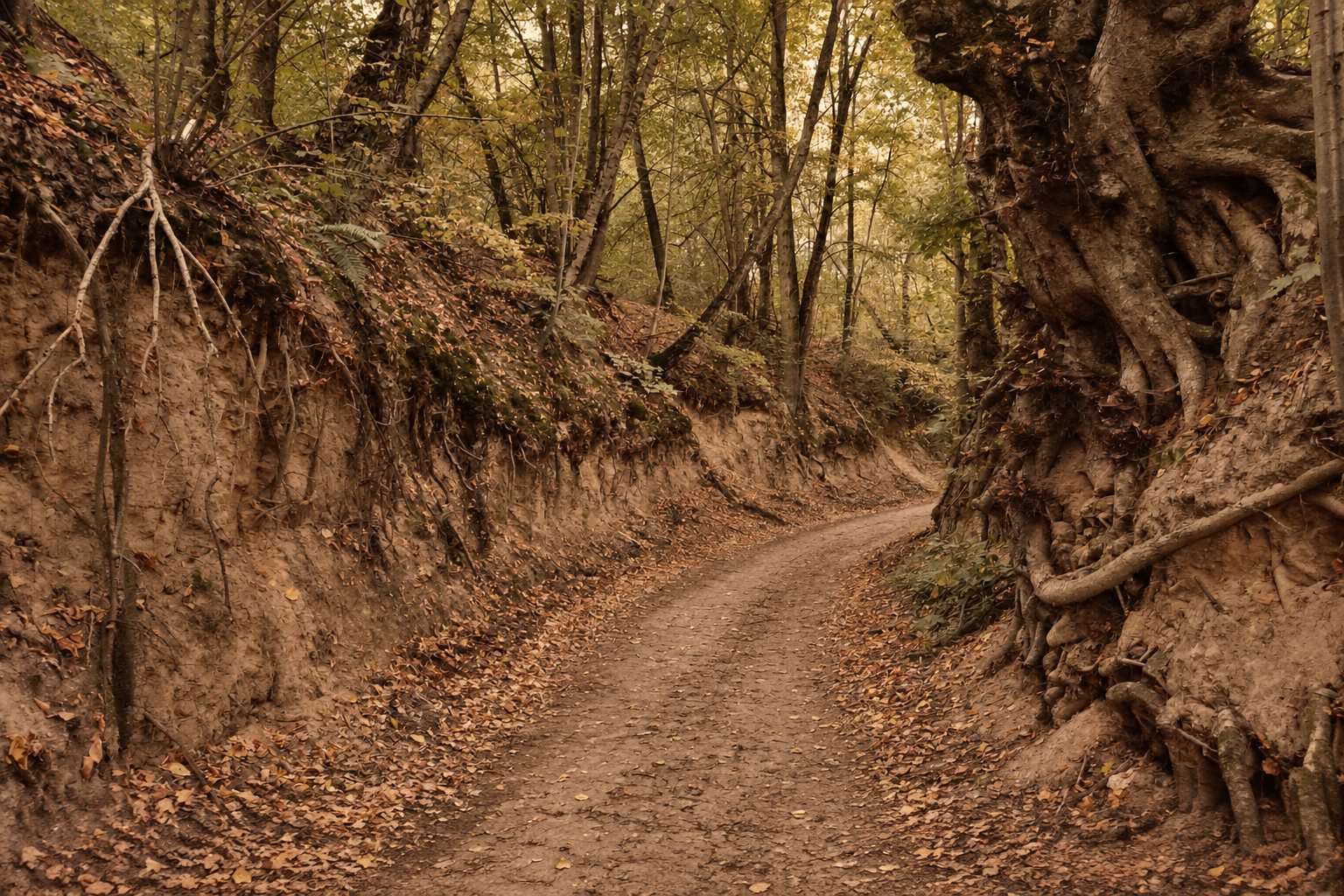
The legend of the golem has many versions. One of the earliest recorded comes from the Lublin region, a land of clay ravines, and that is where the film is set. Stories travel, change addresses and owners, and where we place them shows what we are looking for in them.
This legend is not about a monster. It is about what happens when people hand their fear to an imagined protector and stop watching over themselves.
I live an hour’s drive from the Ukrainian border. When aircraft pass over at night, the legend stops being only a legend. What is left is a question I cannot answer. Over a single night, the film looks for an answer among people who speak different languages. Each needs something different from the same story, and yet they have to listen to one another. Their conversation lasts until dawn. Let ours last longer.
Theatre
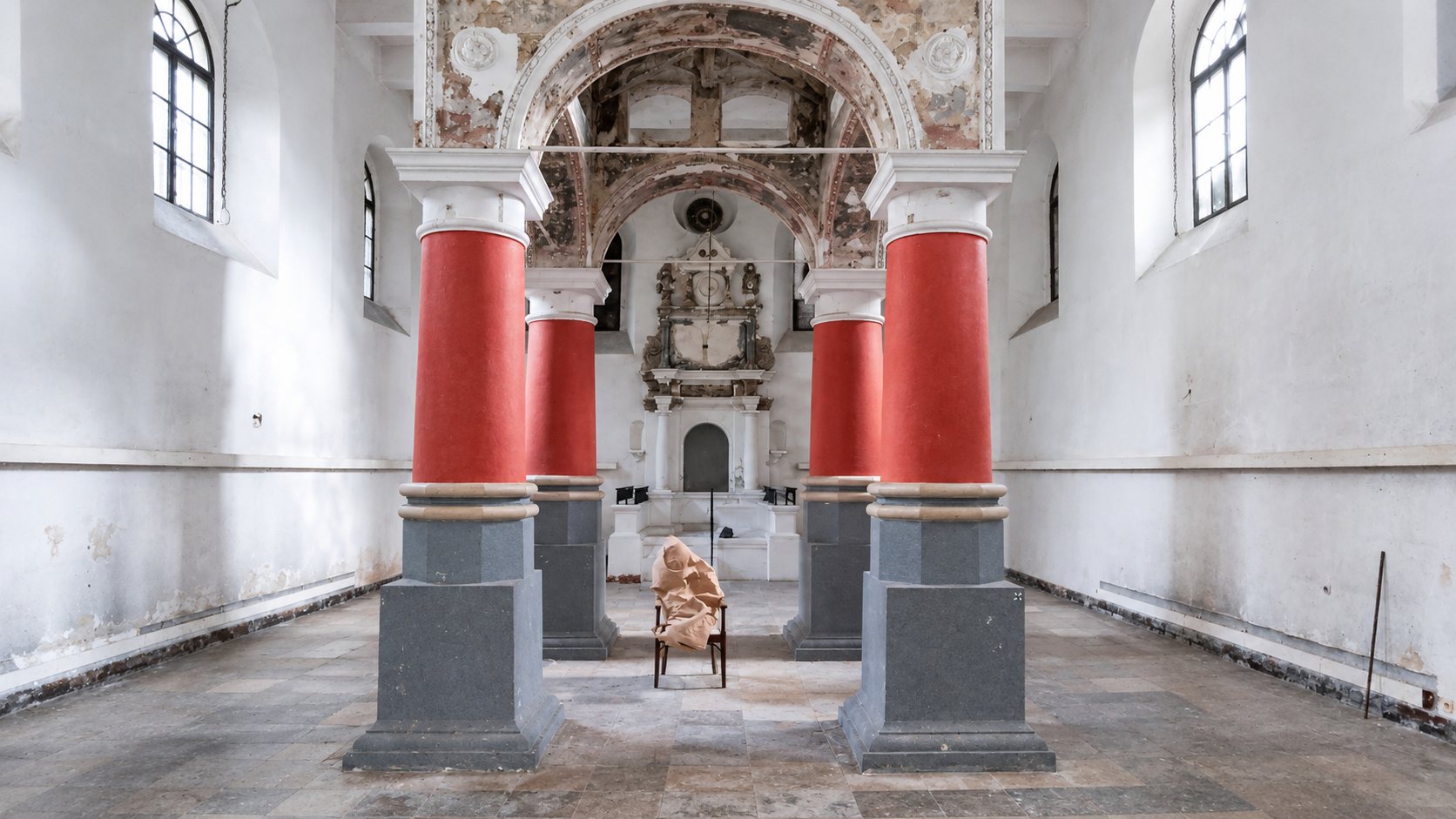
GOLEM began as a wordless performance in historic synagogues in Lublin and Łęczna. Through movement, clay and light, it asks what to do with emptiness: with a past we cannot touch but which still steers us from within.
On stage, this conversation is wordless. In the film, language becomes a barrier: Polish, German and Yiddish decide who is let into the story and who is left standing at the threshold.
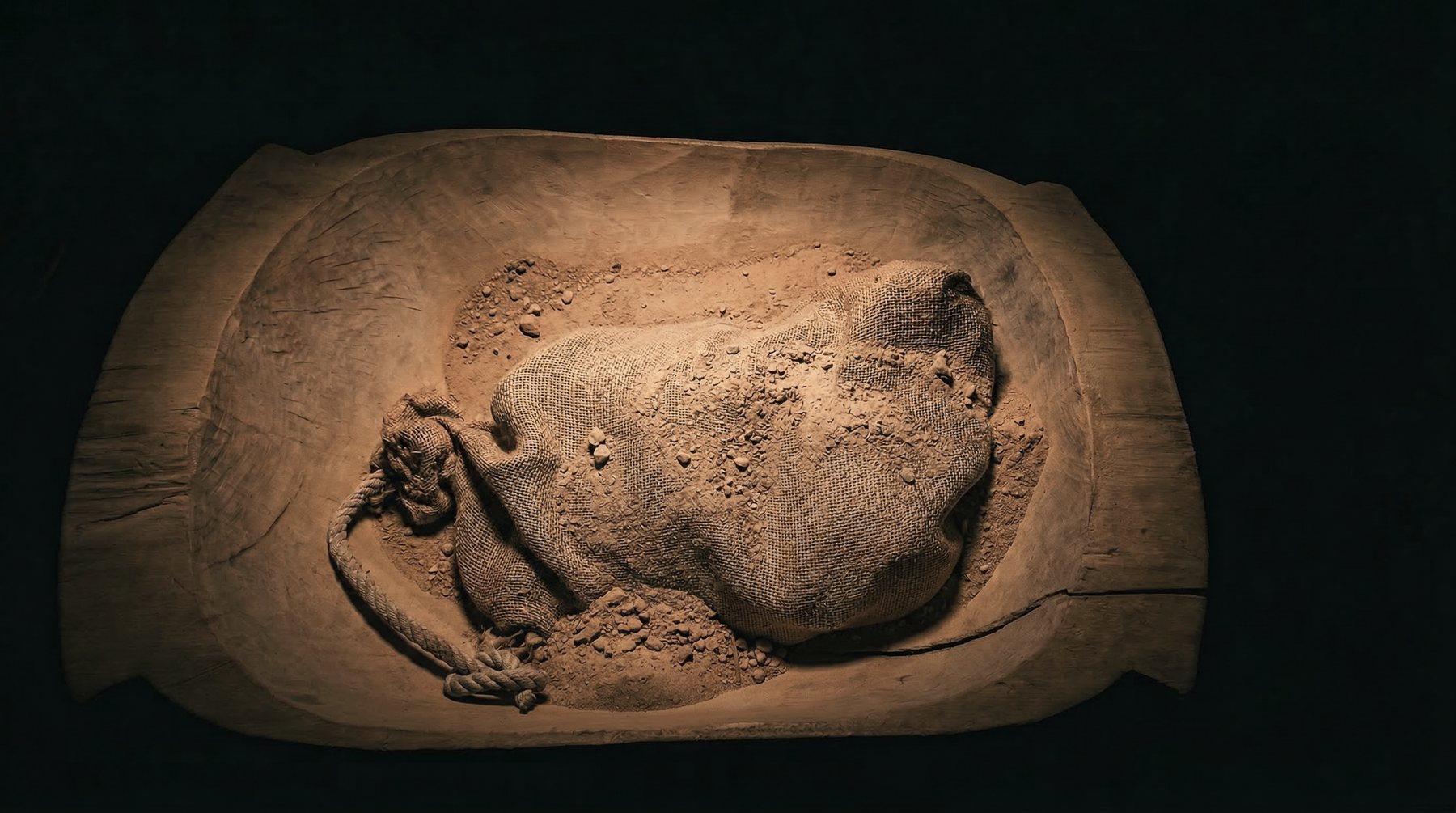
Clay links the two works. In the legend, every family brings a handful from the ravine, so that no household can say the golem is not theirs. That is how I see this story: shared, though each tells it in their own way.
About Kamil
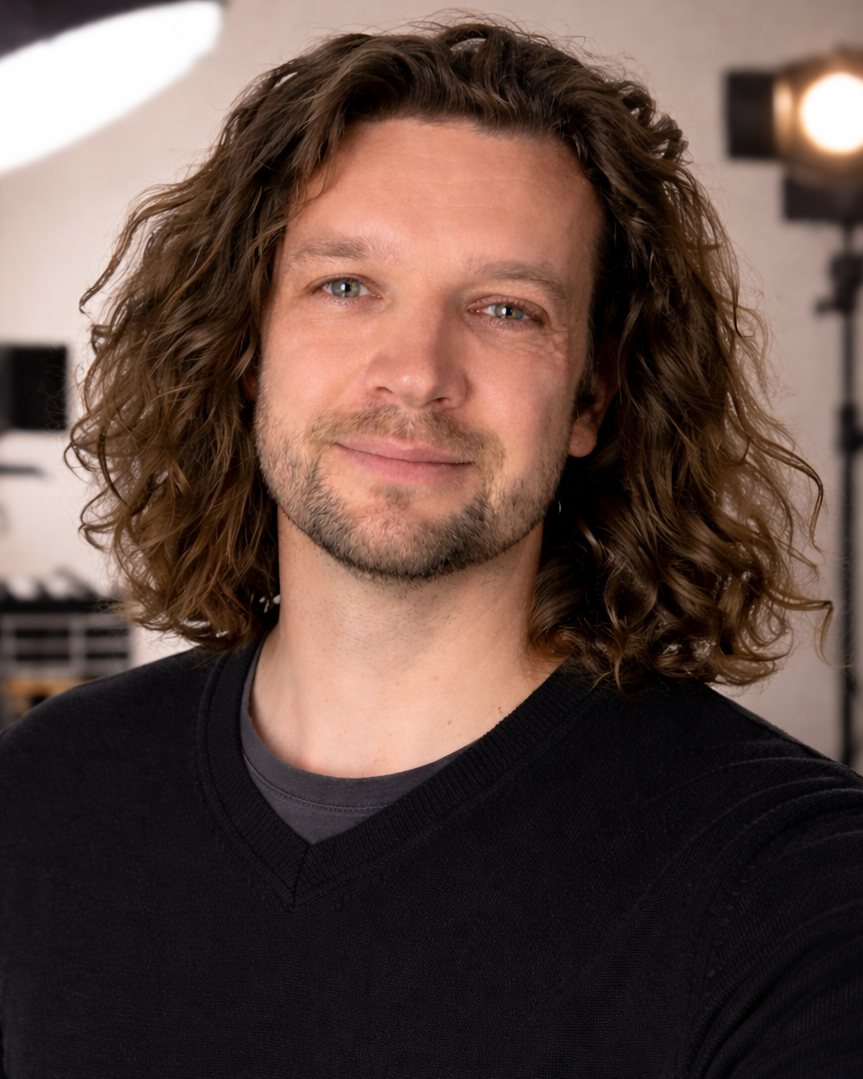
I live in Lublin, an hour’s drive from Chełm, the home of one of the oldest Golem traditions.
In Leszek Mądzik’s visual theatre (2006–2010) I learned to tell stories in images rather than words. My film Tomasz i Maria (2012) screened at the 2013 Gdynia Polish Film Festival, the most important festival of Polish cinema, and won Best Independent Film at the Solanin Film Festival. I went on to develop my craft through courses: at the London Film Academy, on an Agnieszka Holland scholarship, and in the Studio Prób programme at the Wajda School, under the direct mentorship of Paweł Pawlikowski.
In the synagogues of Lublin and Łęczna I realised that walls remember but do not speak. People do, and they decide who is entrusted with memory. In my wordless performance GOLEM, that silence became form.
The film is the next step: where the theatre kept silent, I let people speak. But I cannot tell this story alone. As in the legend, it needs a handful of clay from every house.
Contact
Kamil Biliński
Writer-director · Emet Foundation, Lublin
golemdrama [at] gmail [dot] com
GOLEM is above all a film in search of production partners. I am glad to talk about co-production, and equally about the screenplay (English and Polish), the director’s note, or a guest performance of the theatre piece.